Business Name: Heritage Glass
Address: 2005 NE Columbia Blvd, Portland, OR 97211
Phone: (503) 289-3288
Heritage Glass
Company specializing in interior glass fixtures & dividers, with a showroom for shower enclosures.
2005 NE Columbia Blvd, Portland, OR 97211
Business Hours
Monday thru Friday: 7:30am to 3:30pm
Facebook: https://www.facebook.com/profile.php?id=100087644615356
Minimalist stores are all over in the Portland city today, from small Alberta Street stores to high-traffic areas in the Pearl. The pattern didn't happen by accident. Sellers and designers are leaning on glass for clarity, daytime, and brand name presence without visual noise. When done right, a clean-lined exterior looks uncomplicated and feels classic. When done inadequately, you get condensation, breezy vestibules, and fingerprints that never appear to vanish. The distinction depends on product choices, hardware information, and the judgment of an experienced glazier who understands what Portland's damp winters and sharp summertime sun can do to glass.
I have actually helped design, install, and service more than a window glass replacement hundred commercial glass jobs throughout the metro. Some fasted, easy replacements. Others, multi-phase buildouts with structural glass fins and customized doors. The minimalist look provides its own difficulties, but it rewards care and restraint. Here's how the best storefronts in Portland are using glass today, and what to enjoy if you're preparing your own retail upgrade.
What "minimalist" actually indicates on a storefront
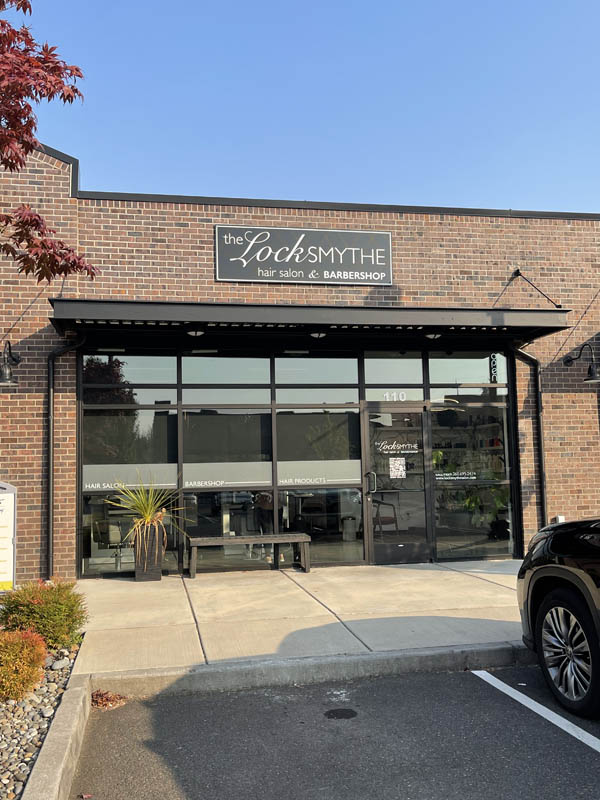
Stripping away ornament does not indicate stripping away performance. Minimalist in glass typically suggests narrow sightlines, crisp joints, and a restrained material palette. Mullions are slimmer, shifts are quieter, and hardware either disappears or becomes a single intentional accent. The consumer sees product and daylight, not frames.
The craft behind that simplicity can be complicated. For example, a 10-foot clear opening with 2 frameless doors appears like a sheet of water from the walkway. To make that happen, we may conceal power transfers inside the pivot hardware, utilize low-iron tempered glass for color neutrality, and run a continuous stainless limit to get rid of stepped transitions without sacrificing weather efficiency. Those choices aren't ornamental. They decide how the door swings after 500 everyday cycles, how the seals behave when it's 38 degrees and drizzling sideways, and whether the storefront still looks beautiful 3 years later.
The Portland aspect: climate, code, and culture
Portland's environment pushes shop design in particular ways. Persistent wetness, winter winds off the Columbia, and summer season heat spikes matter. A minimalist assembly with bare-bones gasketing might work in a dry environment, however here you'll spend for it in fogging and callbacks. Code also sets a standard. Energy codes in Oregon have tightened up, and most shell tasks now need insulated glazing with low-e coverings. That does not indicate thick frames. It simply indicates choosing wise pairings of glass and hardware.
The culture matters too. Occupants desire openness. Breweries want open views from taps to pathway tables. Yoga studios desire daytime without a fishbowl sensation. Stores want a palette that flatters natural products. Minimalism fits those goals, however you still need to tune noticeable light transmission, glare control, and personal privacy at street level. In practice, that indicates layers: clear glass with subtle interlayers or frit, sensible usage of film, and a determination to keep frames slim without cutting corners on weather detailing.
Glass types that carry the look
Start with the glass, not the frame. The incorrect specification will betray the visual the very first time the sun hits it.
Clear tempered is the foundation for door lites and sidelites, but clarity differs. Basic float glass has a faint green tint that thickens at the edges. Low-iron tempered removes most of that color cast. For minimal shops with large monolithic panes or stacked tempered panels, low-iron helps whites read true and wood tones stay warm. If a brand name leans on exact color, that subtle clarity develops more viewed quality than any logo design decal.
Insulated glass systems are non-negotiable for most street-facing window walls. A typical IGU in our market may be a 1-inch unit with 6 millimeter tempered outboard, 1/2-inch argon-filled spacer, and 6 millimeter tempered inboard, coupled with a low-e finish tuned for solar control. The minimalist relocation is to combine that efficiency with a thin captured edge or a silicone-glazed channel so the edge detail recedes. Go too thin on the spacer or downgrade the covering, and you'll see convenience problems in winter season. Customers linger where they feel comfortable.
For oversized spans, laminated glass helps with both safety and noise. A clear PVB interlayer or structural SGP interlayer tightens up deflection and keeps fragments adhered if breakage takes place. Laminated systems also make sense near transit lines and busy arterials. You can cut perceived sound by a handful of decibels, enough to feel more peaceful inside. That quiet boosts the minimalist intent, since visual calm lands much better when the area isn't combating street noise.
Finally, consider finishings and tints as tools, not decors. Light gray or bronze tints can reduce glare without reading as colored glass. Ceramic frit in a dot or direct pattern used on top band can separate sky reflections, which enhances bird security and minimizes blinding reflections that irritate neighbors. The majority of frit patterns can be scaled and spaced so they become nearly unnoticeable from typical viewing distances.
Hardware that does not shout
Minimalist storefronts live or die by their hardware. Basic shop doors with wide stiles and clamp-on closers will not deliver the appearance. Narrow-stile doors assist, and for many retail spaces they strike a great balance of minimalist sightline and toughness. If you desire a truly continuous feel, pivot hardware or floor closers let the hinges disappear. We typically define a flooring closer with hold-open in dining establishment applications and a non-hold-open in boutiques to meet egress rules and keep doors where they belong during wind gusts.
Pulls should have attention. Round ladder pulls feel contemporary but gather fingerprints. Square pulls appearance sharp however can feel harsh in hand. A flat bar with soft edges provides a tactile grip and looks tidy against glass. If you're choosing a patch-fitted, completely glass door, pick a pull profile that aligns with your mullion depth so the line reads continuous even when the door is closed.
Weather seals can be minimalist too. Clear polycarbonate sweeps and bulb gaskets mix into the envelope. The technique is tuning compression so the door closes smoothly without knocking. Do that with closer valves and careful shimming. Do not count on a heavy hand at the latch to drag a misaligned door shut. That fast fix chews through gaskets in a month.
Electronic access, if required, can still be discreet. Electric strikes hidden in a jamb or magnetic locks tucked high with a minimal armature keep the sightlines clean. If you run power through a pivot, define hardware created for it. I've seen a lot of "undetectable" wires fail after a season of rain and thermal cycling.
Framing techniques that keep sightlines slim
On paper, butt-glazed glass walls with structural silicone joints seem like the purest minimalist relocation. They look gorgeous, particularly with low-iron panels. The compromise is expense and tolerance. You require precise substrates and skilled installers to hold tight exposes. If your concrete is out by even a quarter inch, your perfect joint spacing will not look ideal anymore.
A smart compromise is a thermally damaged aluminum system with slim mullions and deep structural capacity. The better systems conceal reinforcements so the face dimension remains narrow. Integrate that with a dark anodized finish and the frame recedes. Portland occupants typically prefer black, bronze, or a warm charcoal. Hard anodize holds up to rain and abrasion much better than paint. If you do paint, pick a high-performance fluoropolymer and expect touch-ups at door edges.
For corner conditions, two courses work well. A clear mitered corner highlights the glass and considers that gallery-quality edge, however it's not for every storefront. It needs precision, and it will display any settlement motion. A thin vertical fin or a back-to-back channel can keep the very little line while forgiving small motion and relieving service down the line.
Daylight, glare, and the sales floor
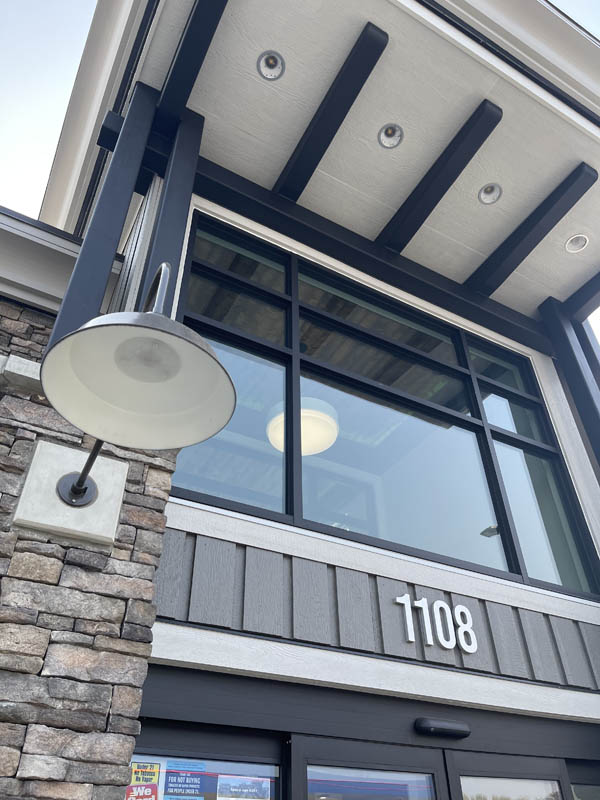
Minimalism enhances daylight. That helps foot traffic and produces psychological lift inside a store. It likewise exposes glare. Portland's light can be soft for much of the year, then unexpectedly extreme when the clouds break. Plan for both. A low-e finish with moderate solar heat gain control avoids the mirrored appearance while taming heat loads. Inside, an easy micro-perforated roller shade lets personnel adjust without undercutting the facade.
If you offer reflective or shiny products, model the angles. A long glass wall aligned with west light can produce hot spots on a display screen table at 4 p.m. in August. A subtle frit band high up on the glass, combined with a shifted fixture design, fixes it. That is the type of tweak a glass company can flag early if they walk the space with you, not just draft it from a PDF.
Security without the fortress vibe
Retailers on Hawthorne, Mississippi, and areas of downtown need security without bars. The minimalist answer is layered: laminated glass for forced-entry resistance, continuous glazing channels that resist spying, and lock hardware with safeguarded cylinders. For after-hours defense, think about interior roll-down grilles mounted behind display screen zones. They stay unnoticeable throughout the day and prevent defeating the storefront's daytime elegance.
Don't depend on movie alone for protection. Security film includes hold-together strength however does not turn basic float into a real barrier. Laminated glass bonded at the factory with structural interlayers carries out more naturally under sustained attack and with repeated impacts.
If you believe you may retrofit later on, set up frames that can accept laminated units in the same pocket depth as standard IGUs. It saves headaches if criminal offense patterns shift and you decide to upgrade.
Maintenance: fingerprints, fogging, and fast fixes
Minimalist glass makes spots and film residue obvious. Choose pulls and press plates that invite correct usage, and think about a hydrophobic covering on high-touch doors. These coatings don't get rid of cleaning, but they make smears launch with a fast wipe.
Condensation often reveals surprise defects in minimal assemblies. If you see fogging at spacer edges inside an IGU, the seal has failed and the system will require replacement. It's not a cleaning problem, it's a factory seal problem, and it will only worsen. A reputable glazier will measure and replace the unit, matching coatings so color remains consistent. That matters because mismatched low-e can produce a patchwork in reflected light.
Plan for real-world abuse. Delivery carts bang lower panels. Canines jump on glass. If you understand your base zone will take hits, define a tempered laminated lite in the lower band. It keeps the look consistent but adds durability and keeps shattered glass adhered if a break happens throughout a busy Saturday.
Budgeting with restraint and intent
Minimalist stores can be affordable if you direct dollars where they matter. Invest in glass quality and door hardware. Minimize extraneous framing, complex paint schedules, and custom pulls if a basic profile fits the design. The biggest expense swings originate from oversized panes, low-iron upgrades, and special interlayers. Often one feature pane at the entry can carry the style while standard units somewhere else manage cost.
Installation sequence affects budget too. If your basic specialist plans to put a topping slab after shop install, demand defense and clear elevation control. A half-inch floor change after door setting will trap your thresholds. Rework expenses more than any glass upgrade.
For occupants making selective upgrades in a current space, a tidy window glass replacement at street level can raise the entire exterior. One well-chosen change, like changing cloudy insulated units with fresh low-iron IGUs, often delivers a larger visual return than a heavy reframe. A great glass company will stroll you through those compromises and show mockups rather than pressing a full rip-and-replace.
How the pattern touches interiors: showers, mirrors, and the brand name story
Many sellers and hospitality groups are bring the minimalist aesthetic inside, particularly in mixed-use buildouts with public restrooms, fitness centers, or back-of-house showers. The very same clarity and restraint applies. Frameless shower enclosures use low-iron tempered panels and discreet clips, which checked out tidy and upscale for occupant facilities. A shower and mirror bundle that uses constant hardware finishes with the shop keeps the brand name sensation intentional.
In shop hotels and physical fitness studios, large-format mirrors with thin reveals amplify area without visual mess. Think about them as interior windows that extend the minimalist language. The details matter here too. Mirror backing requires appropriate ventilation to prevent edge creep in humid spaces, and clips or channels ought to be aligned with neighboring mullions so sightlines remain coherent.
For owners planning a bath remodel in a retail-adjacent residence or a live-work unit, the glazing specialist who did your shop is frequently the best partner. The tolerances are comparable. The best glaziers treat a shower like a micro-storefront: level, plumb, square, and sealed with restraint.
Sourcing and working with the best glazier
Minimalist work forces great practices. Not every installer wants that pressure. Try to find a glazier who can talk tolerances and substrates, not just quote square video footage. Ask how they manage scribing out-of-plumb walls, and how they sequence sealants with finishings and films. You want someone who will push back if an information runs the risk of long-lasting service headaches.
A capable glass company will likewise coordinate with the mechanical and electrical trades. Door closers, air curtains in vestibules, and access controls all converge. I've watched well-meaning electricians drill through a frame to thread wire, only to pierce the thermal break and produce a condensation path that shows up the first cold morning. Coordination prevents invisible damage.
Finally, expect samples. Hold a low-iron pane next to basic clear in daytime. Compare anodized finishes in the real outside light on website. Portland's overcast can make colors check out cool; a finish that looks warm under store lights can go flat outside. Taking a half hour to evaluate saves years of living with the wrong tone.
Case notes from the Portland metro
A little coffee roaster in Sellwood wanted a store that opened totally on summer weekends without a clunky accordion system. We used two extra-large pivot doors at the center bay with minimal jambs and laminated IGUs for sound control. The pivot hardware tucked into the header and piece, and the pulls associated the mullion depth so, when closed, the whole wall read as a single airplane. They paid a modest premium for low-iron on the doors only. The majority of clients can't name the glass type, however they feel the clarity.
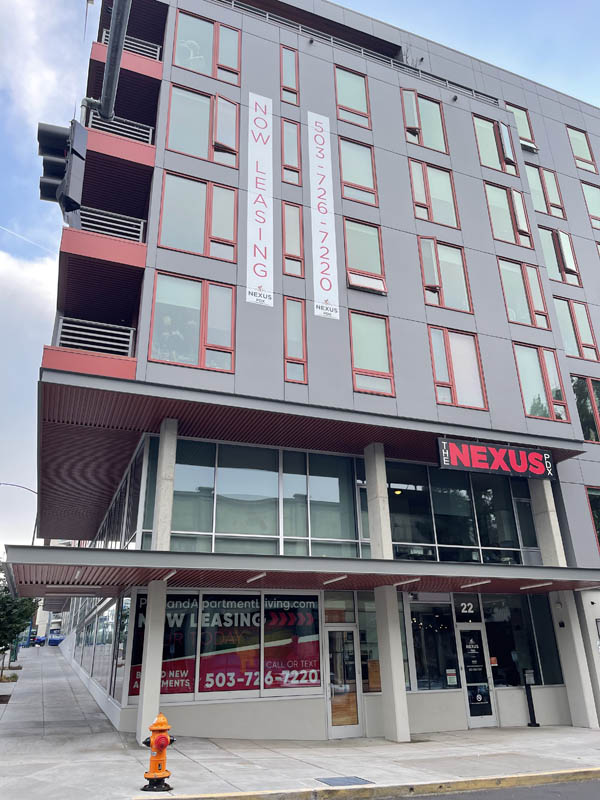
On a Department Street boutique, the initial 1990s green-tinted units made product appearance sallow. We executed a window glass replacement in stages to keep the store open. Switching to neutral low-e IGUs transformed the interior color making. The owner skipped a total reframe, rerouted funds to a customized pull and brand-new sweeps, and got the minimalist crispness she wanted without a complete gut.
A brewery near the river desired all-glass corners. The slab and header were out by three eighths, which would have made a mitered corner checked out crooked. We rotated to a slim fin detail that kept the sightline tight while flexible movement. In a city that shakes a little and settles a lot, that kind of flexibility preserves the minimalist intent when truth intrudes.
Permitting, examinations, and energy performance
Minimal does not imply off-code. Remember these truths:
- Energy compliance: Prepare for U-factor and solar heat gain numbers that meet Oregon's requirements. Your glazier can collaborate with the IGU producer to offer NFRC information so the strategies inspector signs off without delays. Safety glazing: Any glass near strolling surface areas and doors must be tempered or laminated per code. Minimal sightlines do not excuse safety. Egress and hardware: Panic hardware or particular clear opening widths might be needed. If your minimalist door concept pinches the opening, redesign early, not at inspection.
These checkpoints go smoother when the glass specialist is in the loop throughout design. If the team is handed a final set with unrealistic jamb thicknesses or missing details at thresholds, you'll either overspend on a last-minute fix or accept a compromise that scars the look.
Sustainability and the long view
Minimalist storefronts line up with sustainability when you take lifecycle seriously. Fewer parts can imply less failure points. Specify thermally broken frames, double-glazed units with resilient spacers, and sealants ranked for our climate. Avoid exotic surfaces that are difficult to touch up. If you're close to transit, favor laminated glass that can be fixed or changed system by system instead of big, bespoke structural assemblies that demand huge carbon to remake.
Cleaning and long-lasting service aren't afterthoughts. Plan for replacement access to the biggest lites. If a panel sits behind an integrated bench, you'll dislike the day you split it. Shop the style versus a hypothetical five-year service call and see if it still makes sense.
Where the trend goes next
Portland's minimalism is maturing. The future isn't thinner for its own sake. It's smarter edges, quieter transitions, and glass that brings more function without visual baggage. Expect to see more selective bird-safe patterns that hardly read to the human eye, integrated shading that hides in headers, and hybrid entries where one sculptural panel anchors a restrained field.
Inside, the crossover continues. Retail spaces share DNA with hospitality and residential design. If your store celebrates pure lines and daylight, your mirrors, partitions, and shower enclosures must echo that clarity. When a customer steps from sidewalk to sales flooring to toilet, consistency narrates of care. That's the point of minimalism in commercial glass: not absence, however intention.
If you're planning a refresh or a new develop, bring your glazier in early. Share your brand combination, your busiest hours, and your maintenance truths. A capable glass company will equate that into sightlines, finishings, and hardware choices that look easy and live well. In the Portland city, where rain, sun, and culture assemble, that collaboration is the distinction in between a pretty rendering and a store that keeps paying you back, day after day.
Heritage Glass uses highly trained glass installation teams
Heritage Glass emphasizes exceptional customer service
Heritage Glass aims to provide competitive pricing
Heritage Glass offers plate glass and insulated window replacement for commercial projects
Heritage Glass installs showcase glass and shelves in commercial settings
Heritage Glass installs storefront aluminum frames
Heritage Glass displays past project examples in its project gallery
Heritage Glass partners with trusted glass suppliers
Heritage Glass provides free project estimates upon contact
Heritage Glass has a contact phone number for inquiries (503) 289-3288
Heritage Glass operates Monday through Friday
Heritage Glass is a commercial and residential glass installation company
Heritage Glass is located in Portland, Oregon
Heritage Glass was founded in 1970
Heritage Glass serves the Portland Metro and surrounding area
Heritage Glass specializes in commercial glass installations
Heritage Glass installs storefronts and secure glass doors
Heritage Glass provides tenant improvement glass services
Heritage Glass offers residential shower glass installation
Heritage Glass offers a broad selection of glass and hardware options
Heritage Glass has a phone number of (503) 289-3288
Heritage Glass has an address of 2005 NE Columbia Blvd, Portland, OR 97211
Heritage Glass has a website https://www.heritage-glass.com/
Heritage Glass has Google Maps listing https://maps.app.goo.gl/ZAZDjqmi5bpCQR9A8
Heritage Glass has Facebook page https://www.facebook.com/profile.php?id=100087644615356
Heritage Glass Best Glazier Award 2025
Heritage Glass earned Best Customer Service Award 2024
Heritage Glass placed Top in Custom Shower Enclosures 2024
People Also Ask about Heritage Glass
What types of glass services does Heritage Glass offer?
Heritage Glass provides both commercial and residential glass services, including installation of storefronts, secure glass doors, tenant improvements, mirrors, heavy glass, and custom shower glass enclosures
Where is Heritage Glass located and what areas do they serve?
Heritage Glass is located at 2005 NE Columbia Boulevard in Portland, Oregon and serves the Portland Metro area, including surrounding communities like Gresham, Vancouver, and Hillsboro
How long has Heritage Glass been in business?
Heritage Glass has been providing professional glass installation services since 1970, giving them over 50 years of experience in the industry
What should I expect during the glass installation process?
Heritage Glass emphasizes clear communication, competitive pricing, and professional service. Their team works closely with clients to understand project requirements and delivers high-quality installations on time and within budget
Where is Heritage Glass located?
Heritage Glass is conveniently located at 2005 NE Columbia Blvd, Portland, OR 97211. You can easily find directions on Google Maps or call at (503) 289-3288 Monday thru Friday: 7:30am to 3:30pm
How can I contact Heritage Glass?
You can contact Heritage Glass by phone at: (503) 289-3288, visit their website at https://www.heritage-glass.com/,or connect on social media via Facebook
Irving Park . Irving Park’s classic Portland charm inspires nearby property owners to invest in elegant shower enclosures, quality residential glass, and reliable commercial glass installation.